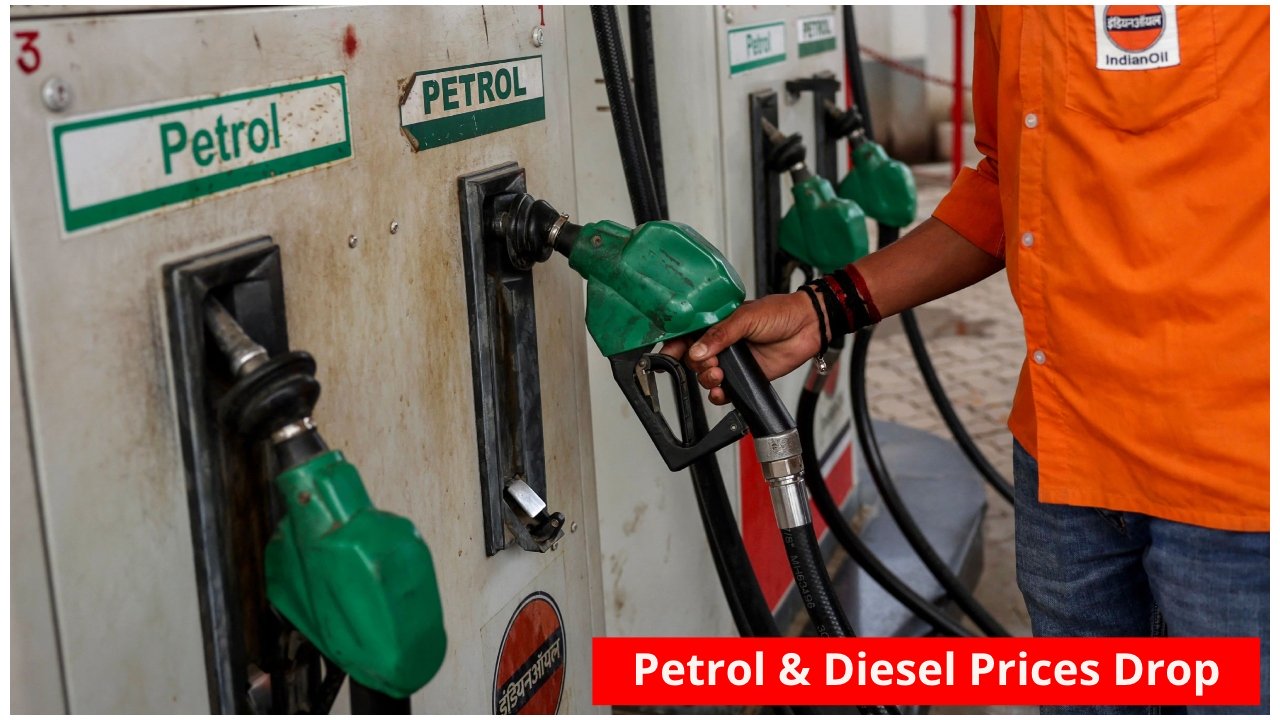
Petrol and diesel prices could soon get some relief as rising global crude oil supplies may push international oil prices lower. Here’s what the latest IEA report says.
Global Crude Oil Supply May Exceed Demand
Could petrol and diesel become cheaper in India in the coming months? Global oil market trends have raised hopes of some relief for consumers. According to the latest assessment by the International Energy Agency (IEA), the world could witness a significant surplus in crude oil supply during the October-December quarter.
In simple terms, oil-producing countries may pump more crude oil than the world needs. Consequently, this imbalance could put downward pressure on international crude oil prices. If prices fall and other market conditions remain favourable, Indian consumers could also benefit from lower fuel prices.
Moreover, the IEA’s latest outlook points to a major change in expectations. Earlier, the agency anticipated that global oil supplies might struggle to meet demand during the fourth quarter. However, increasing production from major oil-producing nations has changed that outlook, raising the possibility of a supply surplus.
For the first time since the Iran war began, the agency expects global oil supply to move ahead of demand. Therefore, the coming months could prove important for the international crude oil market.
Gulf Countries Increase Their Oil Production and Exports
Gulf countries play an important role in supplying crude oil to international markets. However, the conflict involving Iran, the United States and Israel disrupted oil production and exports across the region.
When the conflict began in late February, several Gulf producers experienced a sharp decline in exports. Additionally, concerns about shipping security and disruptions around the Strait of Hormuz created uncertainty in the global energy market.
Meanwhile, oil-producing countries have started exploring alternative ways to restore their exports. According to the report, some tankers have used methods described as dark crossings while travelling through the Strait of Hormuz. These methods involve switching off vessel-tracking systems during certain parts of a journey.
However, such practices can make it harder to monitor tanker movements and do not remove the risks associated with transporting oil through conflict-affected waters. Nevertheless, the gradual recovery in Gulf oil production could help increase global supplies.
OPEC+ Increases Crude Oil Production
Another important factor behind the changing oil market outlook is the production strategy of OPEC+. This coalition includes major oil-producing nations and plays a significant role in influencing global crude oil availability.
According to the supplied IEA assessment, OPEC+ increased its crude oil production to approximately 41.2 million barrels per day in October. This represented a rise of around 2.04 million barrels per day compared with September.
Moreover, the increase brought production close to 97% of its pre-war level. This recovery could improve the availability of crude oil in international markets and reduce concerns about supply shortages.
The report also points towards higher oil and diesel availability in the coming months. Consequently, if production continues to increase, diesel prices could face less upward pressure in international markets.
However, higher production does not automatically guarantee cheaper fuel. Global demand, transportation costs, refining margins and government policies will also influence the final prices paid by consumers.
Global Demand for Crude Oil Continues to Remain Weak
While oil production is increasing, global demand has shown signs of weakness. The IEA attributes this situation partly to elevated crude oil prices, which have encouraged consumers and businesses to reduce their oil consumption.
According to the figures in the report, global oil demand has declined by approximately 2.7 million barrels per day. As a result, the difference between rising production and weaker consumption could create additional pressure on crude oil prices.
Nevertheless, the outlook could improve over the next few years. The agency expects global oil demand to recover by 2027, with an increase of approximately 2 million barrels per day.
Additionally, countries outside the OPEC+ alliance are contributing to higher global production. The United States, Canada, Brazil, Argentina and Guyana have increased their oil output, adding another important source of supply to the market.
According to the supplied assessment, production from these countries has increased by around 1.6 million barrels per day. Consequently, global crude oil supply could reach approximately 108.1 million barrels per day next year.
Will Petrol and Diesel Become Cheaper in India?
The possibility of falling international crude oil prices has created fresh hopes for Indian petrol and diesel consumers. India imports a substantial portion of its crude oil requirements, so international oil prices directly influence the country’s fuel economics.
When international crude oil becomes cheaper, Indian oil marketing companies may benefit from lower input costs. Therefore, a sustained decline in crude oil prices could create favourable conditions for reducing domestic petrol and diesel prices.
However, consumers should not expect an immediate reduction at petrol pumps. Retail fuel prices in India also depend on the rupee-dollar exchange rate, refining expenses, transportation costs, central and state taxes, and oil marketing companies’ pricing decisions.
Moreover, global crude oil prices can change quickly because of geopolitical tensions, production decisions and unexpected supply disruptions. Any fresh conflict or disruption around important shipping routes could reverse the recent improvement in supply expectations.
For now, the possibility of increased global oil production offers some hope of relief. However, Indian consumers will need to wait for a sustained decline in international crude oil prices and corresponding changes in domestic fuel pricing before cheaper petrol and diesel become a reality.
Conclusion: Can Rising Oil Supply Reduce Fuel Prices?
The latest IEA outlook suggests that the global oil market could move towards a supply surplus as major producers increase output and demand remains relatively weak. Meanwhile, additional production from countries such as the United States, Brazil and Canada could further strengthen global supplies.
Consequently, international crude oil prices may come under pressure if these trends continue. This could eventually benefit Indian consumers through lower petrol and diesel prices. Nevertheless, the final impact will depend on several domestic and international factors. Therefore, cheaper fuel remains a possibility rather than a confirmed price cut.
Frequently Asked Questions (FAQs)
| FAQ | Answer |
|---|---|
| Will petrol prices fall in India? | Petrol prices could fall if international crude oil prices decline and domestic pricing conditions support a reduction. |
| Why could crude oil prices become cheaper? | Rising global oil production and relatively weak demand could create a supply surplus, putting pressure on prices. |
| What is the IEA? | The International Energy Agency is an organisation that monitors global energy markets and publishes energy outlooks. |
| How does OPEC+ affect petrol and diesel prices? | OPEC+ production decisions influence global crude oil supply and can affect international oil prices. |
| Will diesel prices also decrease? | Diesel prices could face downward pressure if crude oil prices decline, although domestic taxes and pricing decisions also matter. |
| When could Indian consumers get cheaper fuel? | There is no confirmed date. Any reduction will depend on sustained changes in global oil prices and domestic fuel pricing. |