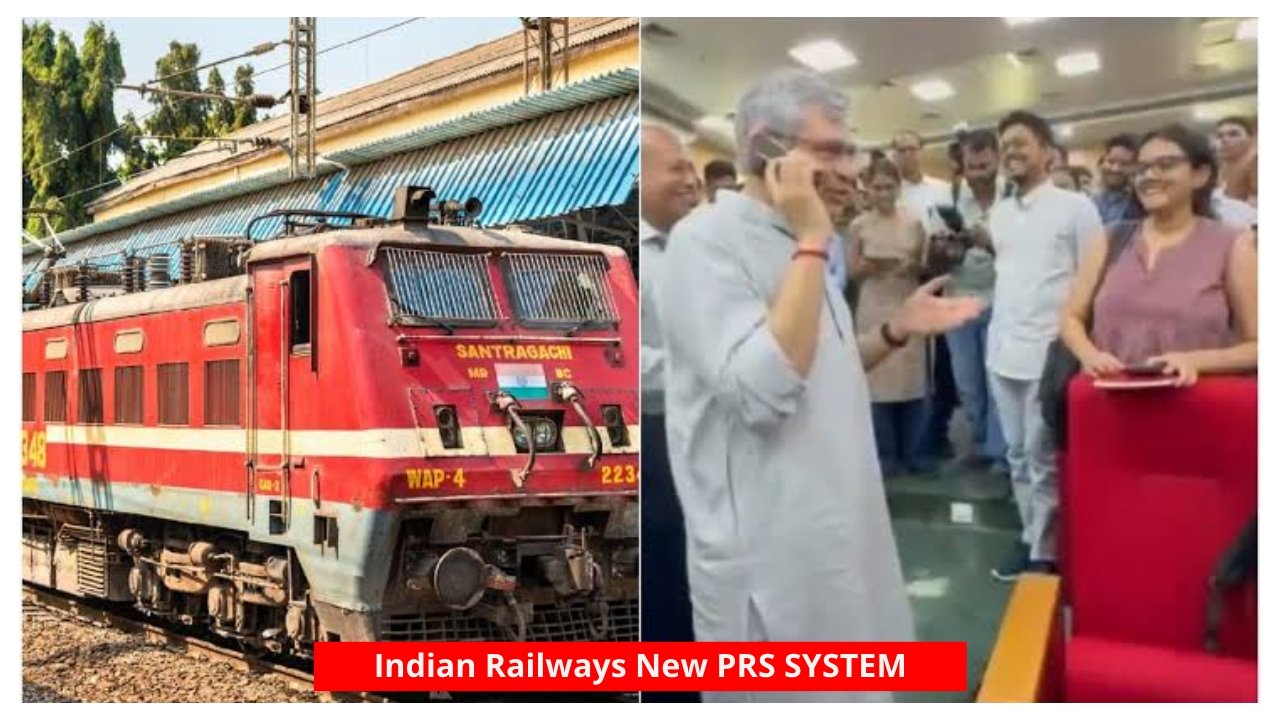
Indian Railways has upgraded its Passenger Reservation System (PRS), shifting over 2,200 trains to modern technology to make ticket booking faster, smoother and more convenient for passengers.
Indian Railways Shifts More Than 2,200 Trains to Upgraded PRS
Indian Railways has taken a major step towards modernising its passenger services. The national transporter has successfully shifted more than 2,200 trains to its upgraded Passenger Reservation System (PRS), bringing a significant change to the technology behind railway ticket reservations.
The railway department started this transition in August to replace its nearly 40-year-old reservation infrastructure. Since then, the upgrade process has moved forward steadily. Moreover, bringing more trains under a unified and modern reservation platform will make it easier for passengers to access booking-related information.
Earlier, passengers sometimes faced difficulties accessing reservation services during busy hours. However, the upgraded PRS aims to improve system performance and handle booking requests more efficiently. As a result, passengers can expect a smoother experience when checking seat availability, booking tickets and accessing reservation information.
Also Read: SBI Clerk Prelims Result 2026: 7,680 Vacancies, Is Your Roll Number on the Merit List?
Additionally, the modernised system will help Indian Railways manage important reservation activities through a more organised digital infrastructure. These activities include ticket bookings, cancellations, seat allocation and reservation chart preparation.
How Will the New Railway Reservation System Benefit Passengers?
The upgraded PRS focuses on improving the technology that supports railway reservations. Therefore, passengers can expect several improvements in the way reservation services operate.
One major benefit involves easier access to train reservation information. With more than 2,200 trains shifted to the upgraded platform, passengers will be able to access relevant booking information through a more integrated system.
Moreover, improved server performance could help reduce technical difficulties during peak booking hours. This matters because thousands of passengers access railway reservation services simultaneously, particularly when booking tickets for popular routes and during holiday seasons.
Additionally, the upgraded infrastructure aims to make several reservation-related operations more organised. For instance, ticket cancellation, seat allocation and chart preparation can benefit from a modernised technology platform.
However, passengers should understand one important point: a better reservation system does not automatically mean more available seats. The upgrade improves the technology behind ticket reservations, not the total seating or sleeping capacity of trains.
Also Read: Good News for Petrol and Diesel Consumers? Crude Oil Prices May Drop Soon here is full details
Will the New PRS System Increase Confirmed Train Tickets?
Many railway passengers may wonder whether the upgraded PRS will make it easier to get confirmed train tickets. However, the answer depends on several factors.
The availability of confirmed tickets primarily depends on a train’s total passenger capacity, travel demand, reservation quotas and available berths. Therefore, upgrading the reservation software does not guarantee that passengers will receive confirmed tickets.
For example, if a popular train has limited available berths and receives a large number of booking requests, passengers may still find themselves on the waiting list. Similarly, RAC and waiting-list positions will continue to depend on seat availability and the applicable reservation rules.
Nevertheless, a faster and more efficient reservation platform can improve the overall booking experience. Consequently, passengers may experience fewer technology-related difficulties, even though ticket availability will continue to depend on demand and train capacity.
Indian Railways PRS System Was Launched in 1986
Indian Railways introduced its Passenger Reservation System in 1986 to computerise the process of booking reserved train tickets. At that time, the system represented an important technological development in railway passenger services.
Over the following four decades, Indian Railways introduced several changes to improve its reservation infrastructure. However, growing passenger demand and increasing dependence on digital services have made further modernisation necessary.
Meanwhile, Indian Railways introduced its internet-based ticket booking service in 2002. This development allowed passengers to book train tickets online instead of depending entirely on railway reservation counters.
Today, online platforms handle approximately 89% of the country’s train ticket booking demand, according to the figures provided in the original report. This growing preference for digital reservations highlights the importance of maintaining a fast and reliable booking infrastructure.
Additionally, IRCTC has announced plans to upgrade its own systems to address technical difficulties that passengers may encounter on its website during peak booking hours. Therefore, improvements across railway reservation infrastructure could play an important role in making online ticket booking more convenient.
What Is the Passenger Reservation System (PRS) of Indian Railways?
The Passenger Reservation System, commonly known as PRS, is a computerised platform that Indian Railways uses to manage reserved train tickets. It handles several important activities throughout the reservation process.
For passengers, the system provides facilities to book reserved tickets, check reservation status and cancel existing bookings. Moreover, it helps railway authorities manage seat allocation and passenger reservation records.
The PRS also manages important reservation-related information, including waiting-list positions, Reservation Against Cancellation (RAC) status and reservation charts. Additionally, it supports passenger enquiry services that help travellers access relevant booking information.
In simple terms, PRS works as the technology backbone of India’s railway reservation services. Therefore, upgrading this system is an important step towards improving the overall digital experience for millions of railway passengers.
What Does the PRS Upgrade Mean for Railway Passengers?
The shift of more than 2,200 trains to the upgraded Passenger Reservation System marks an important development in Indian Railways’ digital modernisation journey.
While the upgrade does not increase the number of available berths or guarantee confirmed tickets, it aims to improve the technology that supports the reservation process. Moreover, better system performance can help passengers access booking services more smoothly, particularly during periods of heavy demand.
As online ticket booking continues to grow, a reliable reservation infrastructure will become increasingly important. Ultimately, Indian Railways’ upgraded PRS represents a step towards faster, more organised and technology-driven passenger reservation services.
Indian Railways New PRS System: Frequently Asked Questions
| FAQ | Answer |
|---|---|
| How many trains have shifted to the upgraded PRS? | Indian Railways has shifted more than 2,200 trains to the upgraded Passenger Reservation System. |
| When did Indian Railways launch the original PRS? | Indian Railways introduced its Passenger Reservation System in 1986. |
| Will the new PRS system increase confirmed tickets? | No. Confirmed ticket availability still depends on train capacity, passenger demand, quotas and available berths. |
| What is the main benefit of the upgraded PRS? | It aims to improve reservation system performance, booking efficiency and access to passenger information. |
| When did online railway ticket booking begin in India? | Indian Railways introduced its internet ticket booking service in 2002. |